Skip to content
SHARE TO SOCIAL MEDIA
Solar panels allow U.S. homeowners to take control of their energy production, decreasing their reliance on the utility grid. However, the pros and cons of solar panels depend on the location, roof conditions, sun exposure, applicable incentives and utility rates.
Use the five-step self-check below to determine whether solar and storage meets your personal or household goals.
Why are homeowners going for solar energy systems?
Electricity prices in the U.S. have steadily increased in recent years, with the average residential electricity price expected to rise about 13% from 2022 to 2025 and continue increasing through 2026 due to infrastructure upgrades and other factors.¹
Historically accessible equipment pricing and options for solar energy storage, contribute to the continued growth of solar energy. The increasing homeowner interest is explained by the combination of higher electricity bill pressure and evolving solar technology.
Pros of a solar panel system
If you're weighing whether solar is a good option, these solar energy pros cover common areas many homeowners consider:
1. Offset your home’s electricity usage
A well-designed 6 kW setup may produce electricity equal to 70–110% of a typical home's annual energy use, depending on available sunlight, panel wattage, and system size.
2. Protection from rising energy costs
Fixed-cost electricity from a solar panel system can provide long-term cost control.
3. May impact home sale value
Research has shown that solar-equipped homes can sell for a premium in resale markets7. Owned, pre-paid or leased solar systems can all add value when their terms are clearly defined.
4. Low-maintenance energy generation
Photovoltaic panel degradation occurs gradually, with a median of 0.5% per year.5 Most systems include performance warranties of around 25 years, with routine upkeep limited to occasional rinsing and visual checks.
5. Backup power potential
Pairing solar panels with a home battery or vehicle-to-grid technology may support critical household electricity needs during utility outages, depending on system design.
Note: Homeowners are advised to verify local policy changes and eligibility for incentive availability.
Cons of installing solar panels
While solar energy adoption continues to grow rapidly, it’s essential to understand a few potential considerations before deciding. Many perceived solar energy cons can be addressed or minimized with proper planning and expert guidance:
1. Initial cost
Installing solar panels typically requires an outright investment of $15,000–$25,000. However, this can vary depending on system size and equipment choices.
Fortunately, flexible options like subscription, leases, Power Purchase Agreements (PPAs), and low- or no-money-down financing can significantly ease the financial barrier for homeowners.
2. Site and roof compatibility
Solar systems work best on roofs with minimal shading and southern or western exposure to ensure optimal performance.
That said, many homes with varying roof orientations or partial shading can still benefit, especially with optimized inverters or microinverters.
3. Output varies with the weather
Solar energy production may fluctuate depending on the weather, especially on overcast days or during shorter winter daylight hours.
However, panels still generate electricity in cloudy conditions, and optional battery storage can help mitigate temporary dips in production by providing backup power when needed.
4. Policy differences and utility rules
Net metering benefits and utility policies differ by region, affecting how excess energy is credited. While this can add complexity, as your solar provider, we typically handle the paperwork and system configuration to help maximize available benefits. We will walk you through local incentives and clarify any utility requirements upfront.
5. Panel recycling and planning
Solar panels are built to last 25–30 years and require very little maintenance. While widespread recycling infrastructure grows in the U.S., most panels won’t reach retirement age for decades.
Industry developments are already making strides to create more efficient, widespread recycling programs and sustainable disposal practices by the time today’s systems reach the end of their lifespan.
6. Space and appearance concerns
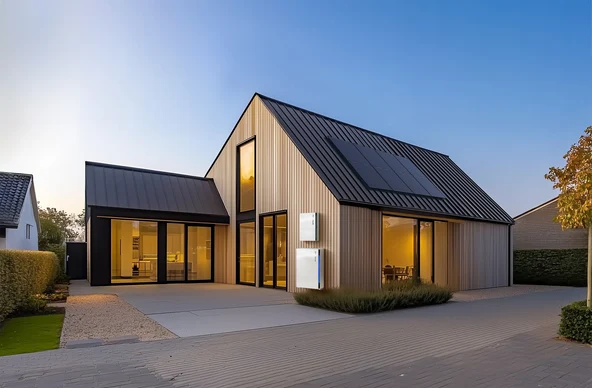
A typical 6 kW system may need 350–400 sq. ft. of roof space. While solar panels are more visible than some home upgrades, today’s sleek, black designs are far more modern and minimal than earlier models.
Many homeowners find the visual trade-off well worth it for the benefit of independent energy management, and some even say it adds a bold, tech-forward look to the property.
Reminder: Solar is not one-size-fits-all. Location, usage, policy variability, and future-home needs are all relevant. This makes it important to consider both your current needs and your long-term plans when reviewing the solar energy advantages and solar energy disadvantages available.
Common solar power questions:
Are solar panels worth it in states with low electricity rates?
They can be. If you have good sun exposure and favorable policies, the system may still meet your goals—but payback periods are likely longer when utility costs are low. Use a solar calculator that factors in your specific utility prices and electricity consumption
How long do solar panels last?
Panels typically produce 80-90% of their original power after 25 years, defining their lifespan.
What kind of maintenance is involved?
Little to no cleaning and basic monitoring are usually sufficient. Most modern systems are designed to operate with minimal oversight.
Is solar energy worth it?
Solar Energy can be worth it for many homeowners but it depends on several key factors.
A thoughtful review of your electricity usage, property characteristics, and local policies can offer a clearer understanding of your options—without relying on assumptions or guarantees.
Here are a few things to consider:
Check your current electricity rate. If it is around 15¢/kWh or more, it may be useful to explore how solar energy could help you manage long-term energy planning.
Assess your roof’s sun exposure. Use satellite imagery or request a shade analysis from a solar professional to understand how much solar access your roof receives throughout the year.
Review local policies and available incentives. State and municipal programs may offer net metering structures, property-tax exemptions, or other clean energy policies that apply to your location.
Estimate a potential timeline. Many online tools can help you project how system size, usage, and policy factors may influence the overall performance or system cost recovery period.
Decide whether backup power is a priority. If your area often experiences electrical outages or you rely on uninterrupted access to electricity, incorporating energy storage may be worth discussing with your system designer.
As you weigh these factors, you may ask, “Is solar worth it for my specific situation?” The answer depends on your home’s conditions, long-term energy goals, and the incentives available in your area.
Every home is different. Assessing these considerations can help you decide whether solar energy aligns with your household's needs and expectations.
Get a personalized solar quote
Choosing to install solar panels is a personal decision that depends on multiple factors—some related to your bill, others to your energy goals, independence preferences, or interest in new infrastructure.
Try Sunrun’s instant, no-obligation online estimator or schedule a quick virtual consultation. As a leading solar company, our experts can walk you through system size, subscription or purchase options, and battery add-ons, all monitored 24/7 in our mobile app.
Start by checking your roof’s sun hours and local incentives, then let Sunrun do the heavy lifting.